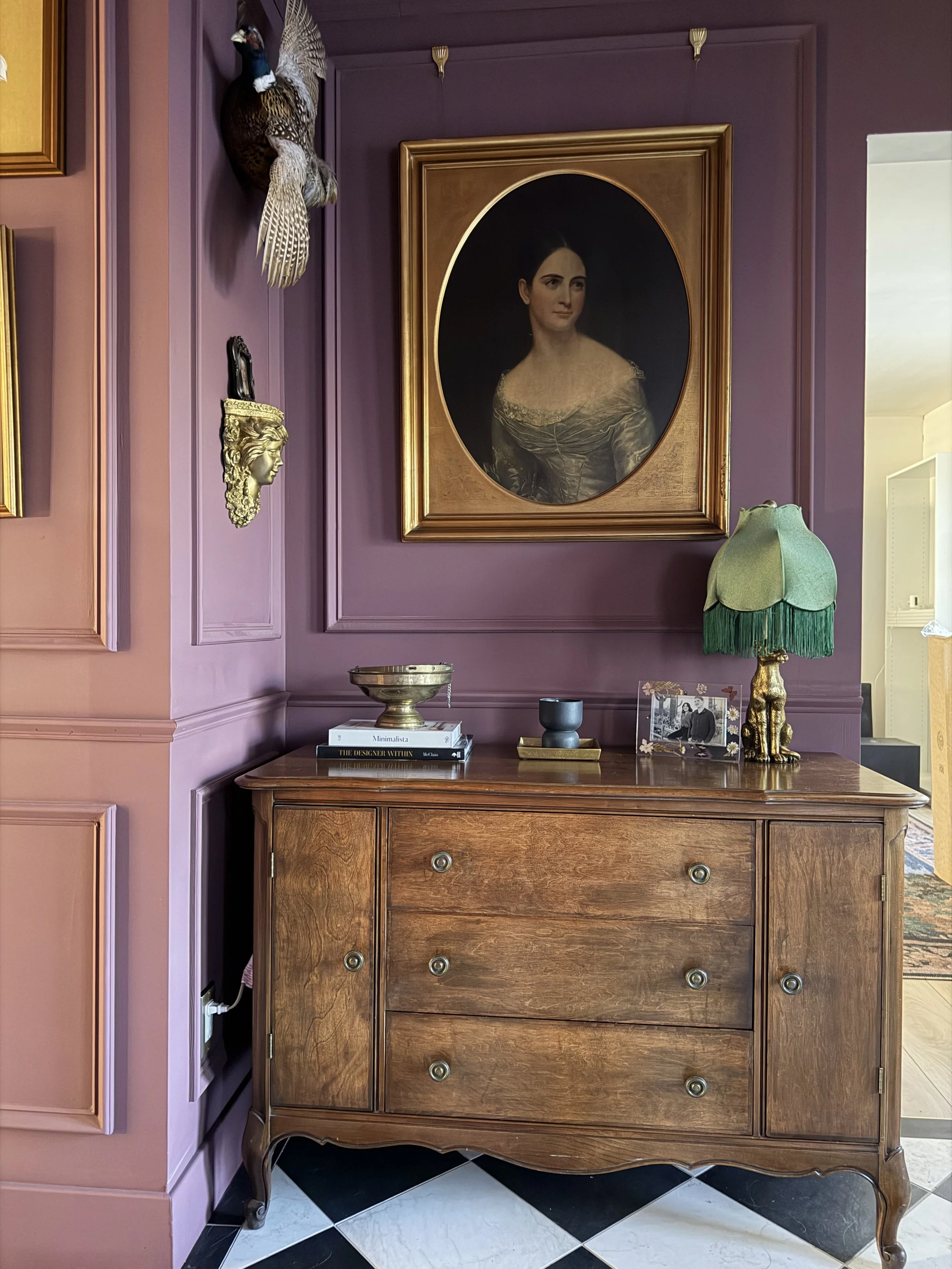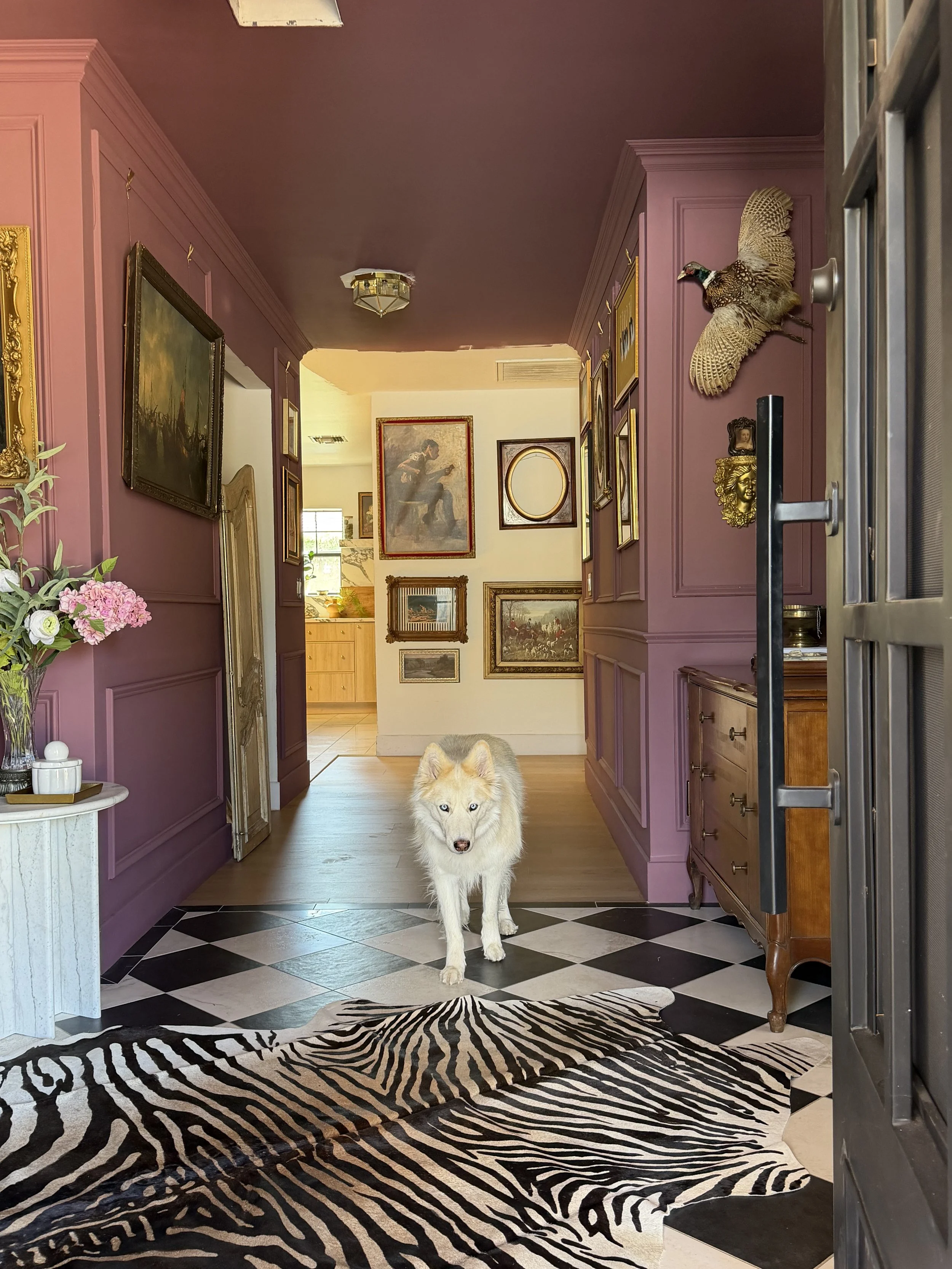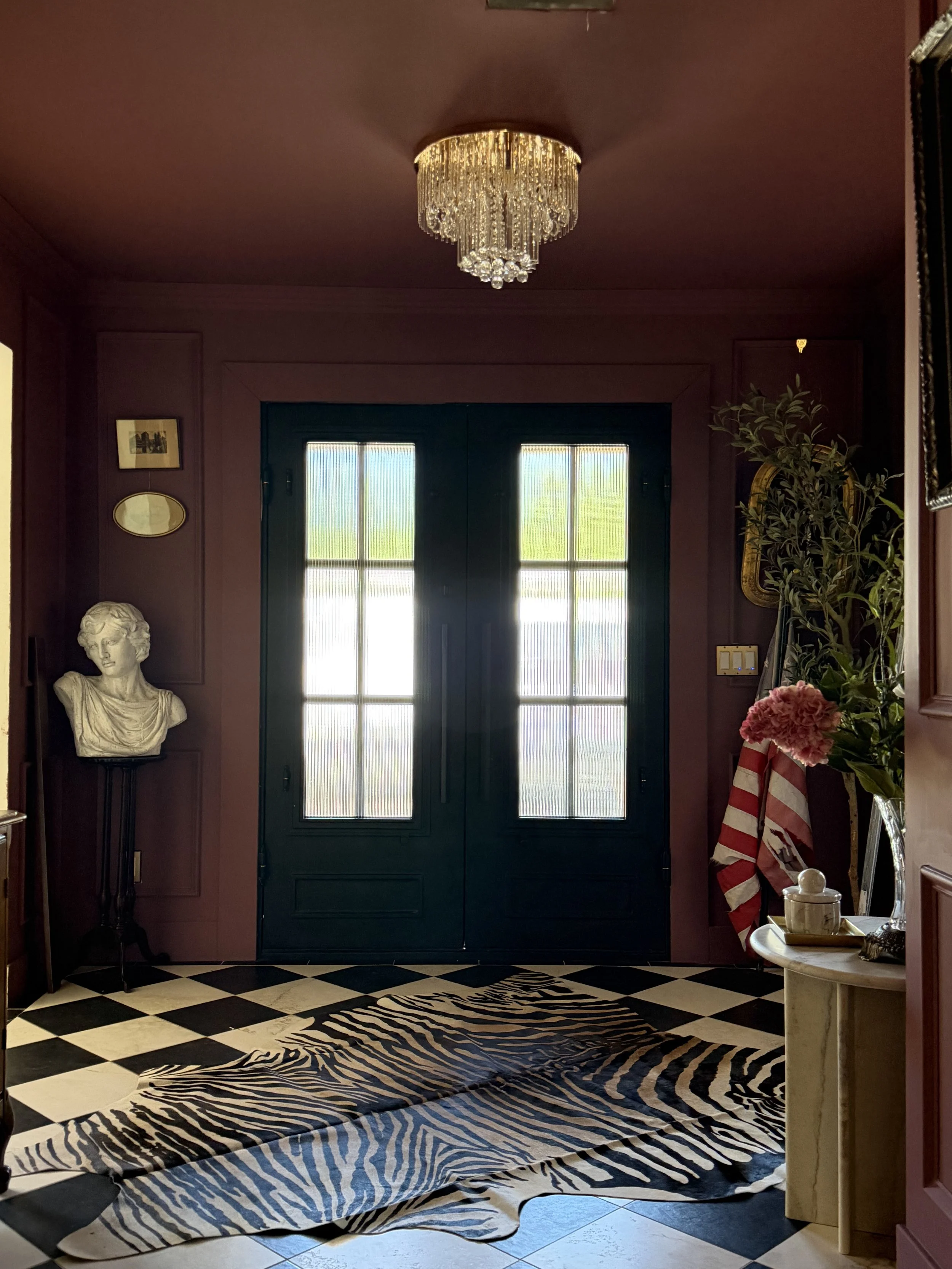
Color scares most people, especially when it comes to small spaces. The fear usually comes from three main worries: making the room feel smaller, creating a chaotic look, and committing to a bold choice that’s hard to change. Understanding why these fears exist and how to handle them makes color less intimidating.
Why color feels risky in small spaces
Perceived shrinkage: Dark or saturated hues can feel like they close in a room. In a tiny space that effect feels amplified because there’s less distance for the eye to travel before hitting a surface.
Overwhelm: Small rooms have less visual rest. A strong color on every wall, ceiling, and piece of furniture can feel busy quickly.
Permanence anxiety: Paint, wallpaper, or upholstery feel like long-term commitments. In a small room you’re more likely to notice a color every day, so a bad choice feels harder to live with.
Light variability: Small rooms often have limited natural light. Colors behave differently in low light — they can read muddier, colder, or heavier than they appear on a chip.
Scale misreading: People misjudge how color interacts with scale. A bright or dark color that feels dramatic on a swatch can dominate a small space, or conversely, a pale neutral can look flat and bland.
Color doesn’t have to be scary. In small spaces, it’s a powerful tool: used thoughtfully, it creates depth, warmth, and personality rather than crowding the room. Start small, test in place, and layer color with contrast and finishes to keep the space feeling intentional and comfortable.